Mapping the Integration of Virtual Reality Elements into Mobile Casino Experiences Across Diverse Regulatory Landscapes
Quinn Walter · Sep 16, 2026
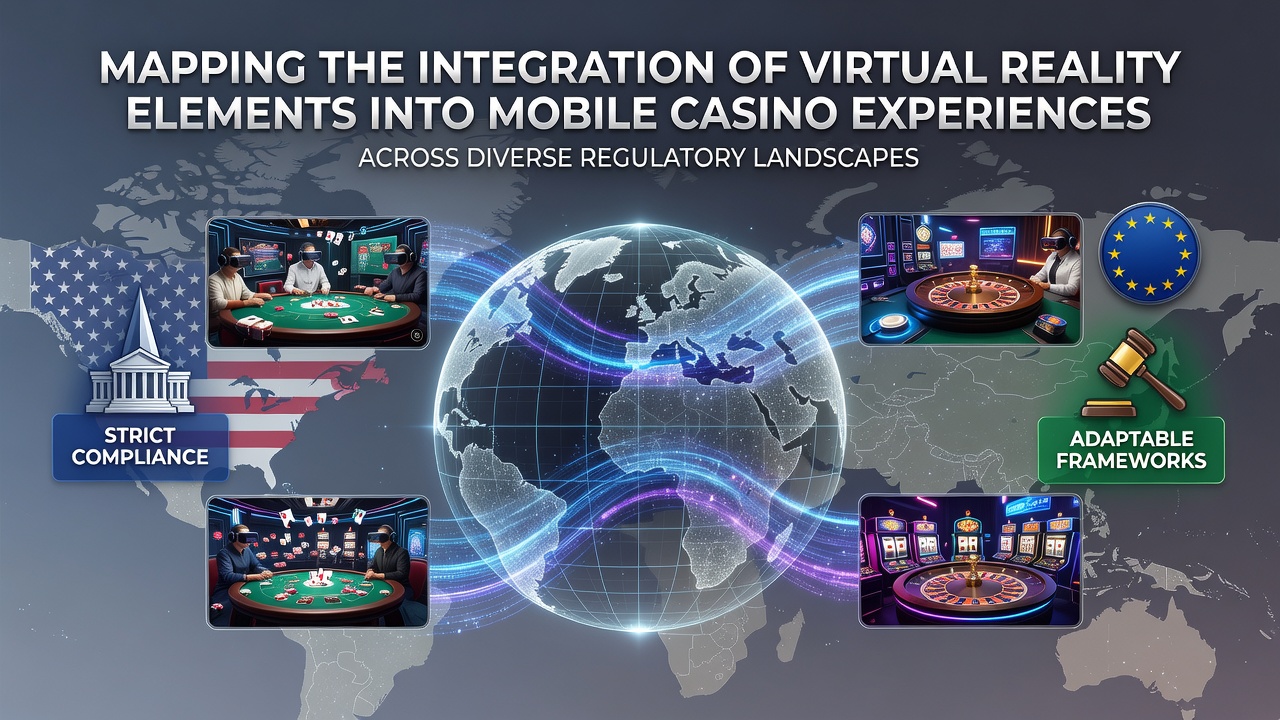
Mapping the Integration of Virtual Reality Elements into Mobile Casino Experiences Across Diverse Regulatory Landscapes
Virtual reality components continue to appear in mobile casino platforms as operators adapt hardware capabilities and software frameworks to meet player expectations in multiple jurisdictions, and regulatory bodies track these developments through licensing requirements that vary by region.
North American markets show distinct patterns where state-level gaming authorities in the United States review VR features case by case while Canadian provincial regulators focus on technical standards for immersive content delivered via smartphones and tablets.
Regulatory Approaches in North America and Europe
Operators working in Nevada and New Jersey submit detailed documentation on VR content before deployment, whereas European frameworks under the Malta Gaming Authority and similar bodies emphasize consumer protection protocols that address motion-related data collection and age verification within virtual environments.
By September 2026 several jurisdictions had issued updated technical guidelines requiring mobile applications to include toggle options that disable VR elements for users who prefer standard two-dimensional interfaces, a measure that aligns with accessibility directives in multiple countries.
Developments Across Asia-Pacific and Other Regions
Regulatory landscapes in Singapore and Japan permit limited VR integration under pilot programs that monitor session duration and spending patterns through centralized reporting systems, while Australian state commissions require operators to display clear boundary indicators when users enter three-dimensional casino simulations on mobile devices.
Data compiled by industry research groups indicates that compliance costs for VR-enabled applications rise when operators expand across borders because each regulatory body maintains separate testing laboratories and certification timelines.

Technical integration relies on lightweight rendering engines that reduce latency on 5G and emerging 6G networks, allowing head-tracked views and spatial audio to function without dedicated headsets in many cases, though some platforms still recommend external accessories for full immersion.
Technical Standards and Compliance Mechanisms
Industry associations such as the International Association of Gaming Regulators have published reference documents that outline minimum frame-rate thresholds and data encryption standards for VR modules operating on mobile operating systems, and these guidelines influence how developers structure cross-platform code.
Observers note that operators often maintain separate code branches for jurisdictions with stricter content rules, resulting in staggered release schedules where a VR poker table might appear first in one market and months later in another after additional review cycles conclude.
Research from academic institutions in Canada and Australia has examined player interaction logs to measure how virtual navigation affects time spent on individual games, yet regulatory agencies treat such findings as supplementary information rather than direct policy drivers.
Future Outlook and Ongoing Adaptations
Global mapping of these integrations reveals clusters of activity where jurisdictions with established online gaming statutes move ahead of regions still developing mobile-specific VR rules, and trade publications track these differences through quarterly compliance reports.
One documented example involves an operator that partnered with a university research team to test spatial audio calibration methods under real-world network conditions before submitting results to regulators in two separate European countries.
Links to primary sources include reports from the Nevada Gaming Control Board on technology approvals and summaries issued by the Australian Gambling Research Centre concerning immersive product evaluations.
Conclusion
Patterns across regulatory landscapes demonstrate that VR elements in mobile casino experiences advance through incremental approvals tied to technical verification and consumer safeguards, with operators adjusting deployment strategies according to the timelines and documentation requirements of each jurisdiction.