How Payment Processing Delays Shape User Retention Patterns at Poker Platforms Serving South American Markets
Gisela Schmidt · Oct 28, 2026
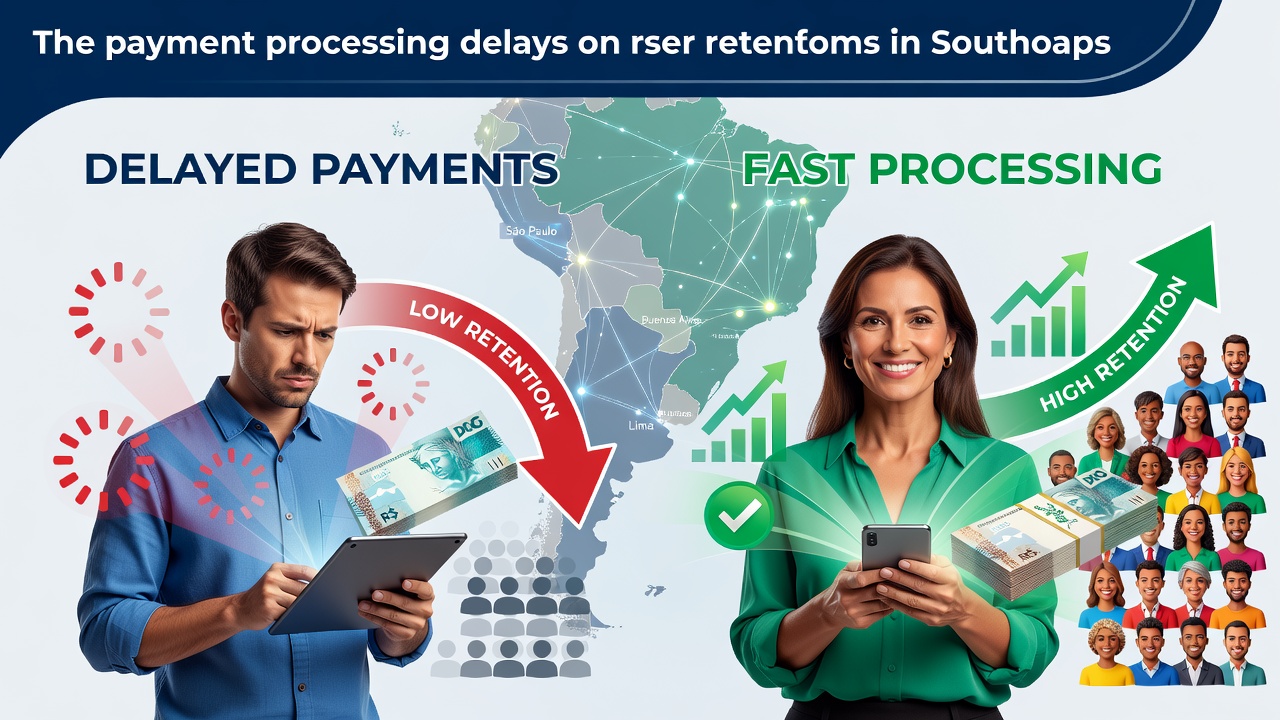
How Payment Processing Delays Shape User Retention Patterns at Poker Platforms Serving South American Markets
Payment processing delays create measurable shifts in how players interact with poker platforms across South America, where local banking systems and cross-border transaction rules often extend settlement times beyond the 24-hour window that many operators advertise. Data from regional financial reports indicate that platforms serving Brazil, Argentina, and Colombia experience average delays of three to seven business days for withdrawals processed through traditional banks, while cryptocurrency options sometimes reduce this to under 48 hours yet introduce volatility tied to exchange rates.
Regional Payment Infrastructure and Common Bottlenecks
Banking partnerships in these markets frequently route transactions through multiple intermediaries, and this layered approach adds friction that compounds during peak activity periods such as major tournament series. Researchers at institutions tracking fintech adoption note that Brazil's Pix instant-payment system has shortened some deposits since its 2020 rollout, yet withdrawal requests still encounter verification holds that last several days when platforms flag accounts for compliance checks. In Argentina, capital controls and currency conversion steps extend processing further, with observers reporting that players attempting to move funds out of peso-denominated accounts face repeated rejections that require manual intervention.
Impact on First-Time Deposit and Early Engagement
Users who complete an initial deposit but then wait longer than expected for their first withdrawal often reduce their activity levels within the first 30 days. Retention metrics compiled by platform analytics teams show that cohorts experiencing delays beyond 72 hours exhibit a 22 percent drop in session frequency compared with those whose payouts clear promptly. This pattern holds across multiple operators, and it appears most pronounced among recreational players who treat poker as occasional entertainment rather than a primary hobby.
Player Behavior Shifts During October 2026
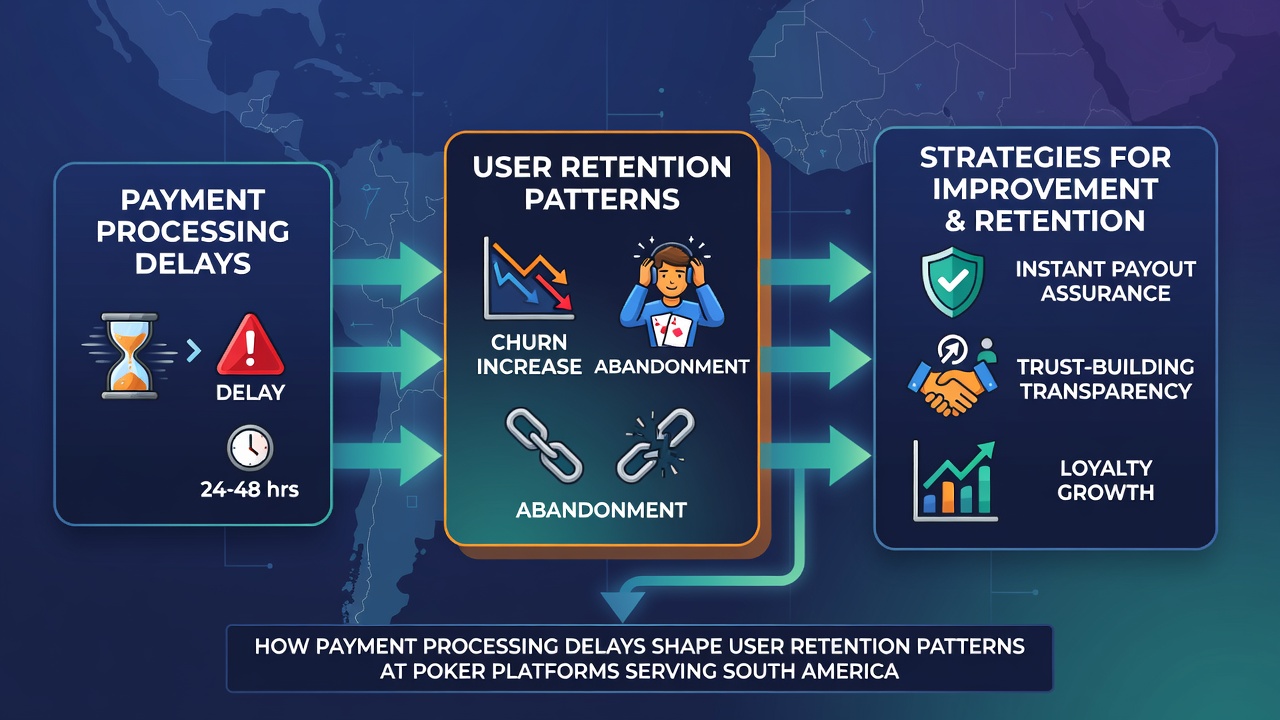
As of October 2026, several major platforms reported a noticeable uptick in account closures following the Brazilian central bank's updated guidelines on gambling-related transfers, which required additional documentation for amounts above certain thresholds. Players who encountered these extra steps frequently abandoned pending withdrawals and migrated to competing sites that advertised faster crypto rails, even when those alternatives carried higher fees. Industry figures reveal that retention curves flatten sharply after the second delayed payout, with many users shifting from daily logins to sporadic visits before disappearing entirely.
Comparative Retention Data Across Payment Methods
Platforms that integrated local e-wallets and stablecoin options recorded higher month-over-month retention among users who selected those methods, according to aggregated data shared by the Inter-American Development Bank in its 2025 fintech review. In contrast, reliance on international card processors correlated with steeper declines after the first withdrawal attempt. One study from a research group at the Universidad de Buenos Aires tracked 1,200 players over six months and found that those using PIX for both deposits and withdrawals maintained 68 percent active status at the 90-day mark, whereas card-based users fell to 41 percent over the same interval.
Delays also influence deposit frequency. Players who receive funds quickly tend to redeposit within 48 hours at rates nearly double those who wait five days or more. This cycle compounds because faster capital turnover allows operators to offer targeted reload bonuses that further encourage continued play, whereas slow processing breaks the momentum and prompts users to seek alternatives.
Platform Responses and Mitigation Approaches
Operators have introduced automated verification layers and pre-approved withdrawal tiers to shorten the window between request and completion, yet adoption varies by jurisdiction. Colombian platforms that partnered with local payment gateways reported average processing times dropping to under 36 hours for verified accounts, and this change coincided with a measurable lift in 60-day retention figures. Meanwhile, platforms still dependent on legacy bank wires continue to see higher churn, particularly among users in regions where internet connectivity makes repeated login attempts to check status frustrating.
External factors such as weekend banking closures and national holidays further stretch timelines, and these predictable gaps create windows where players lose interest or encounter competing promotions elsewhere. Observers note that transparent communication about expected delays reduces immediate frustration, though it does not fully offset the long-term retention impact when delays become routine.
Conclusion
Payment processing delays remain a structural variable that directly correlates with retention patterns on South American poker platforms, and the data collected through 2026 underscore how even modest improvements in settlement speed can preserve user cohorts that would otherwise migrate. Platforms balancing regulatory compliance with efficient payout rails continue to refine their systems, while those lagging behind face consistent attrition tied to the friction players encounter when attempting to access their funds.